Why You Need a Peptide Storage Case
Reconstituted peptides are sensitive. Every time the refrigerator door opens, warm humid air rushes in. Temperature fluctuations, condensation on vial caps, light exposure — all of it accelerates degradation. And if your vials are just sitting loose on a shelf? You’re asking for trouble.
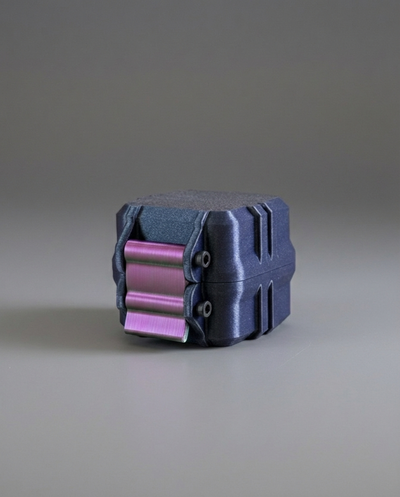
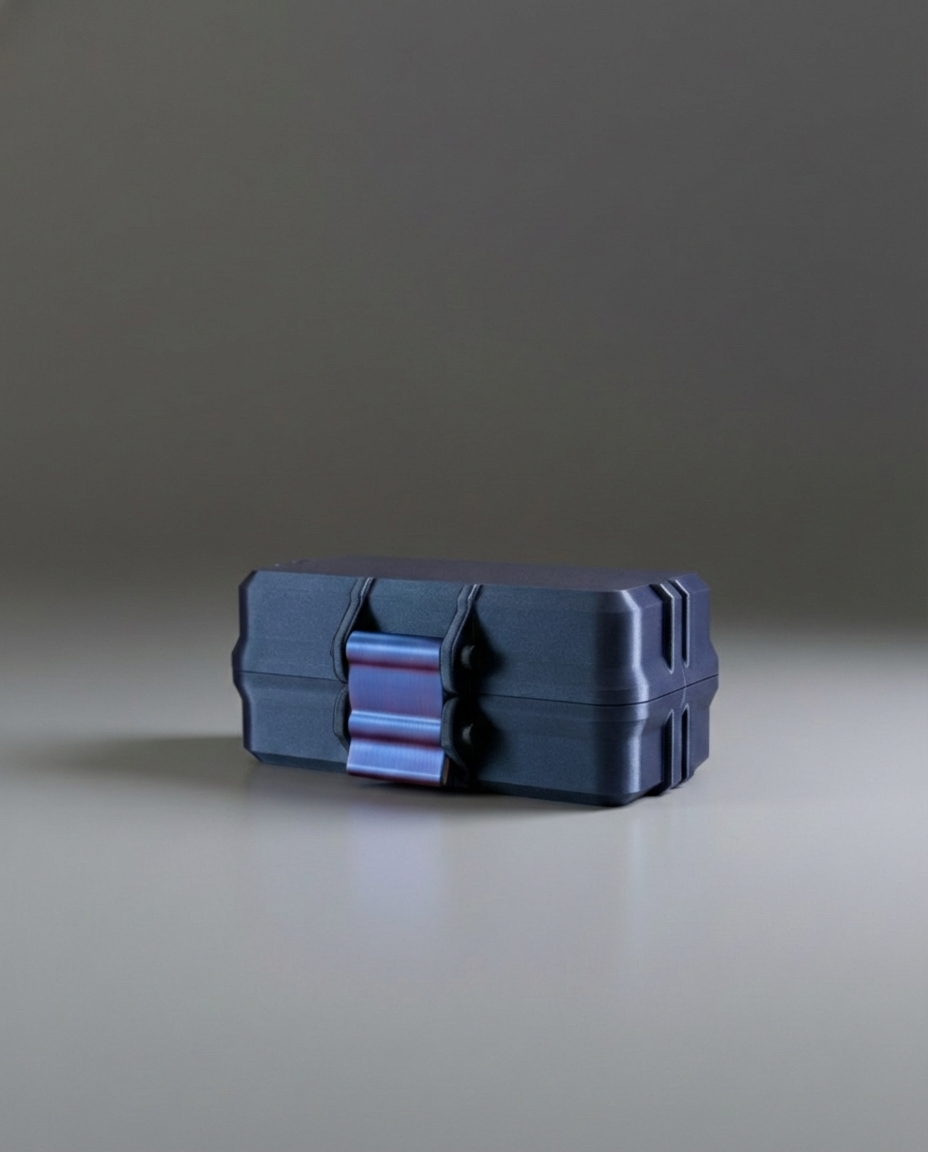
The Chameleon Cases solve all of this.
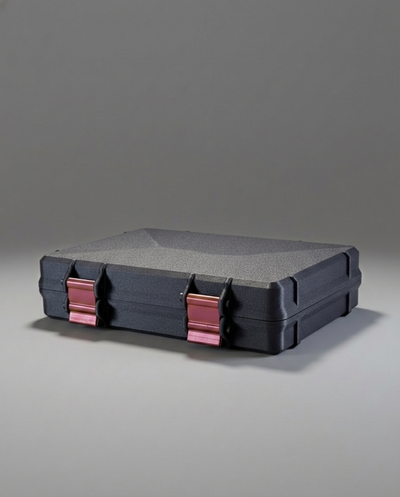
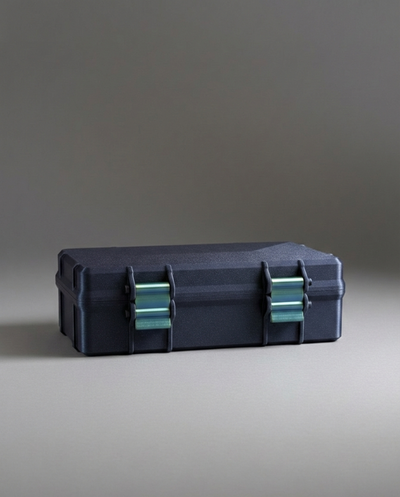
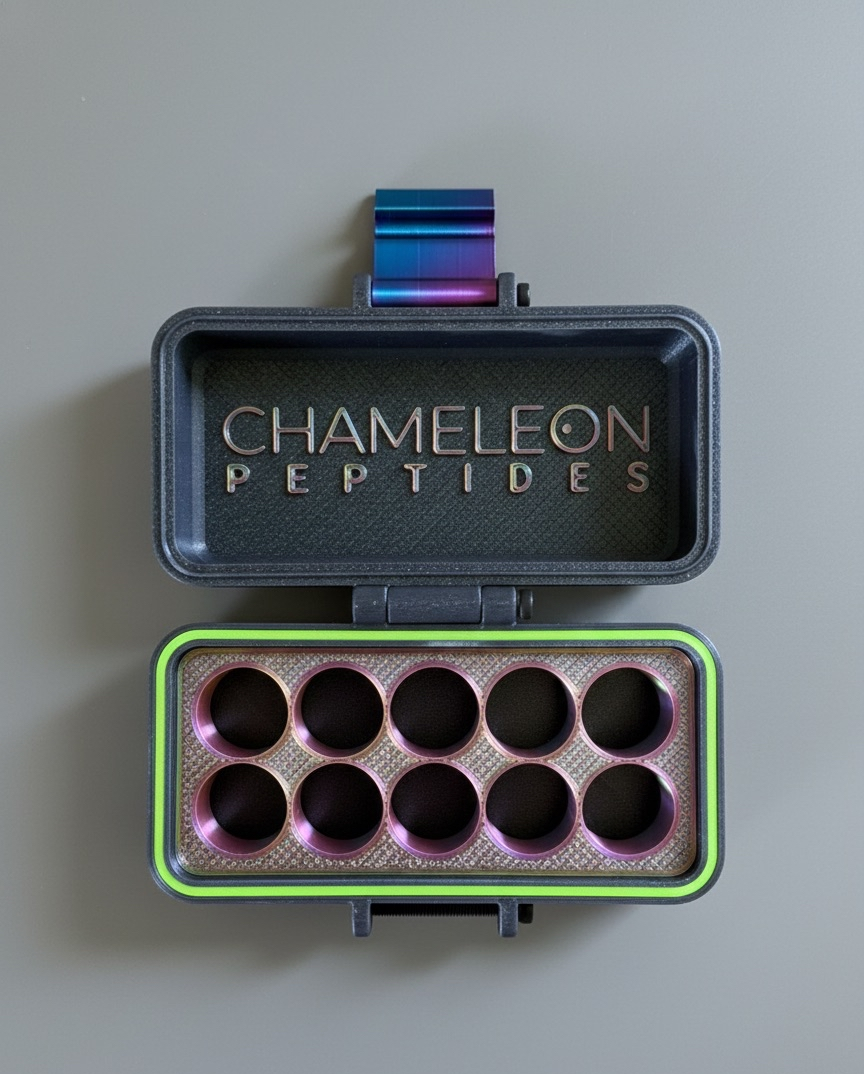
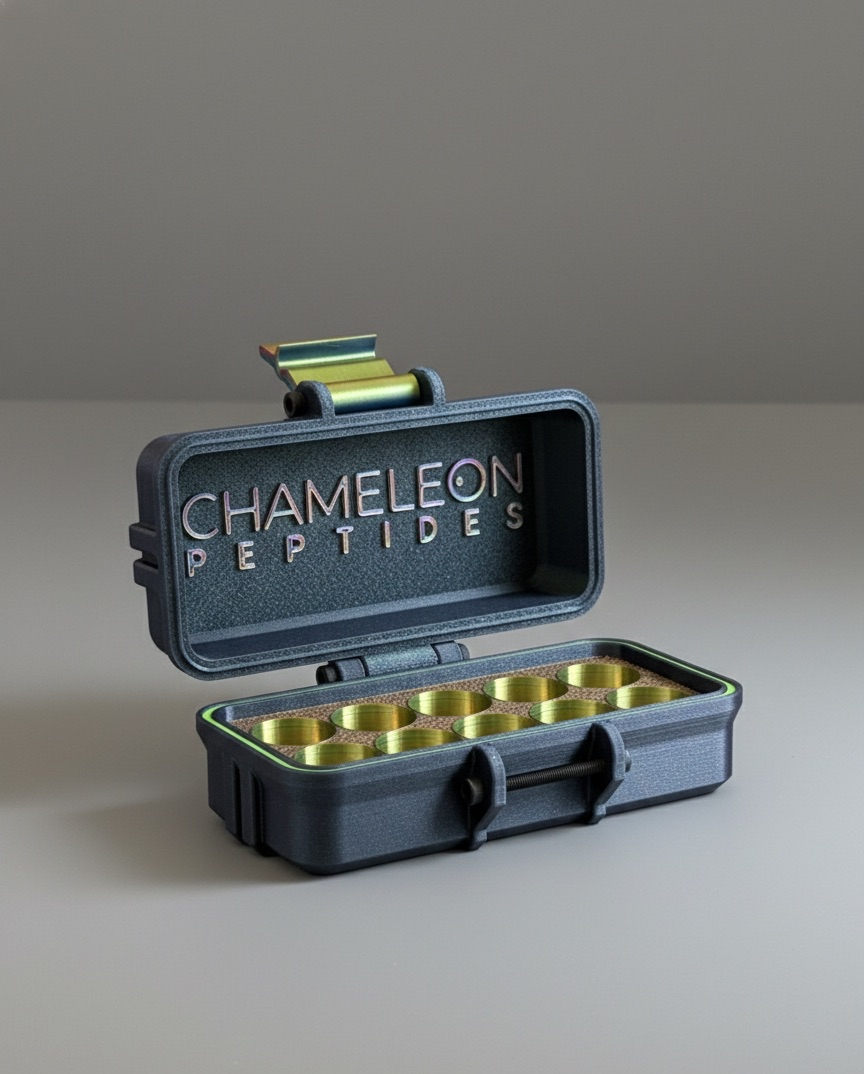
Good Chameleon Case — 10 Vial
The mid-size workhorse for researchers managing multiple research compounds. Ten individual compartments keep your full lineup organized, protected, and instantly accessible.
Features
- 10 individual compartments — fits standard 3mL research vials
- Snap-close lid — seals out humidity and keeps vials upright
- Organized layout — see all 10 vials at a glance when you open the case
- Durable hard-shell exterior — protects contents during handling and transport
- Compact enough for any fridge shelf — but serious enough for a real collection
The Problem It Solves
- ❌ Loose vials exposed to humidity every time the fridge opens
- ❌ Temperature swings degrading reconstituted peptides
- ❌ Can’t find the right vial buried behind leftovers
- ❌ Vials knocking together, risking cracks or contamination
- ✅ 10 compounds organized, protected, and ready to go
How to Earn This Case
The Good Chameleon Case is not sold separately — it’s a reward for reaching the Good Chameleon tier in our loyalty program. Spend $600 or more and this case ships free with your qualifying order.
👉 Join the Chameleon Club to start earning.
Storage Recommendations
Store your case in the refrigerator (2–8°C / 36–46°F). Keep vials upright in their slots. Avoid placing the case in the freezer — reconstituted compounds should not be frozen. Lyophilized (powder) vials can be stored in the freezer separately if needed.